
Ultimately, weight loss comes down to being in calorie deficit – burning off more than you consume. Unfortunately, alcohol tends to be high in calories, but not the kind that keep you full or fuel your training. That’s not to say you can’t drink once the sun goes down, but aim to stop 4 hours before bedtime to limit sleep disturbance. In the US, one standard drink is any drink that contains 0.6 fluid ounces (14 grams) of pure alcohol (ethanol). The problem is, most people have no idea what qualifies as a “standard drink.” To worsen matters, the official definition of a standard drink differs between countries.

Unveiling the Truth: Does Fermented Ginger Beer Have Alcohol?
But alcohol in all of its common forms—beer, wine, liquor—actually has some unexpected health benefits like strong hearts, sharper brains, and uninhibited creativity. The risk of such consequences for the individual varies widely and depends on the situation. However, researchers have found a general trend toward an increased risk of adverse effects on society as the average alcohol intake among individuals increases (Mäkelä and Mustonen 1988; Mäkelä and Simpura 1985). Because vulnerability to alcohol dependence varies greatly among individuals, it is difficult to assess the risk of dependence in relation to how much a person drinks. Two persons exposed to alcohol in exactly the same way may or may not have the same outcome for many reasons, including genetic differences, personality, behavioral features, and environment.
Lifestyle Quizzes
These effects can also be exacerbated if you have a mental health diagnosis like bipolar disorder, he says. More research is needed about whether red wine is better for the heart than other types of alcohol, such as beer or hard liquor. Links between red wine and fewer heart attacks aren’t well understood. But antioxidants in red wine may increase levels of high-density lipoprotein (HDL) cholesterol, also called the “good” cholesterol, and protect against cholesterol marijuana addiction buildup.
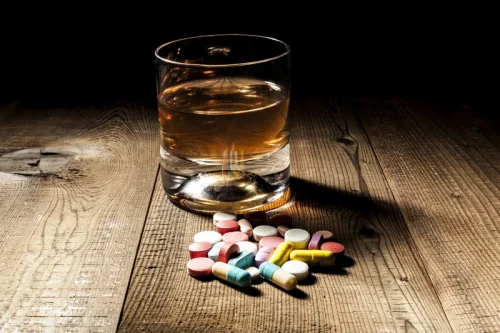
Should you stop drinking?
Some research suggests that drinking wine in moderation provides antioxidant and anti-inflammatory benefits that may improve your gut bacteria and boost your heart health, mental health, and longevity. For instance, drinking non-alcoholic beer can reduce your risk of heart disease, help you sleep, aid bone growth and reduce your risk of getting illnesses like the common cold. While fermented ginger beer is not a substitute for medical treatment, it may be a useful adjunct to other therapies or a natural remedy for certain health issues. does alcohol have benefits For example, some people use fermented ginger beer to help alleviate symptoms of nausea and digestive issues, while others use it to reduce inflammation and improve overall health. Fermented ginger beer is generally considered safe to drink for most people, including children and those with certain health conditions. However, as with any fermented food or drink, there are some potential risks and considerations to be aware of.
- It is important to note that, as stated earlier, there are real reasons not to drink.
- A good example of the influence alcohol companies have over our Governments is the situation regarding the labelling of drinks in the UK and EU.
- Alcohol blocks the absorption of folate and inactivates folate in the blood and tissues.
- A damaged pancreas can also prevent your body from producing enough insulin to use sugar.
Simply eating grapes or drinking grape juice might be a way to get resveratrol without drinking alcohol. Red and purple grape juices may have some of the same heart-healthy pluses of red wine. But if you already have a glass of red wine with your evening meal, drinking it in limited amounts may improve your heart health. For millennia, people have been indulging with little concern in pleasures like wine and beer, often at a scale that doesn’t exactly paint a picture of health. It’s only in recent years that “wellness” has become much of a talking point. Major news outlets have, just in the last couple of months, weighed in on the fact that alcohol’s health benefits outweigh its potential benefits.
Things like trouble concentration, slow reflexes and sensitivity to bright lights and loud sounds are standard signs of a hangover, and evidence of alcohol’s effects on your brain. But when you ingest too much alcohol for your liver to process in a timely manner, a buildup of toxic substances begins to take a toll on your liver. Your liver detoxifies and removes alcohol from your blood through a process known as oxidation.
Potential Risks of Whiskey
The Center conducts public opinion polling, demographic research, computational social science research and other data-driven research. Pew Research Center is a subsidiary of The Pew Charitable Trusts, its primary funder. There are many antioxidant-rich foods and beverages, and wine is one of them. In many countries, brewers pay tax on any beer above a certain percentage, for example, 1.2% ABV in the UK.
Drinking an excessive amount of alcohol can have a negative impact on the hair. More research is necessary to explore any further associations across bigger samples and longer time periods. Meanwhile, 54.9% of people reported that they had consumed alcohol in the past month. And the same goes for driving or if you need to be alert and able to react to changing situations. No content on this site, regardless of date, should ever be used as a substitute for direct medical advice from your doctor or other qualified clinician.
- Long-term over-drinking can result in health issues that can sometimes be severe – with a common consequence being liver damage.
- “In severe cases, excessive consumption can lead to life-threatening alcohol poisoning, marked by vomiting, seizures and slowed breathing,” she emphasizes.
- Not to mention the crippling anxiety so many of us deal with after a night of boozing.
- Most non-alcoholic beers are made using the same four natural ingredients brewers have used for millennia – water, yeast, malt and hops.
- For instance, excessive drinking puts a strain on one’s excretory system – the system responsible for removing waste products, such as alcohol, from the body.
But more recent research suggests there’s really no “safe” amount of alcohol since even moderate drinking can negatively impact brain health. Past guidance around alcohol use generally suggests a daily drink poses little risk of negative health effects — and might even offer a few health benefits. People who binge drink or drink heavily may notice more health effects sooner, but alcohol also poses some risks for people who drink in moderation. For people trying to cut down on drinking, Laing said she recommends balancing alcohol with nonalcoholic drinks, drinking slowly and consuming a meal before drinking. She often brings her own nonalcoholic beer or wine to social gatherings, Laing said, and most bartenders are happy to make a mocktail.

No comment yet, add your voice below!