
So, along with the mass exodus of scientists from the belief that alcohol is good for you, newer and more rigorous research on alcohol and humans suggests seriously considering the risks of alcohol consumption. But all of a sudden, a couple of years ago, Sinclair completely dropped his support for any amount of alcohol being good for you. He even started posting on social media more and more about the negative effects of alcohol. Researchers conducted two dose-response analyses to examine the effects of increasing alcohol consumption.
Alcohol: Benefits, Risks, and How Much Is Too Much?

While drinking alcohol moderately comes with both risks and possible benefits, a person should exercise caution. The risks of drinking alcohol excessively may outweigh any possible benefits. Alcohol can also increase specific hormones, such as estrogen, which may raise the risk of hormone-related cancers, particularly breast cancer. Another way alcohol can contribute to cancer growth is by acting as a solvent, allowing carcinogenic substances to enter cells more easily, says Andrews.
Risk of Liver Damage for Heavy Drinkers
While this can help with moderation, it overlooks the previously mentioned research that says, for your health, no level of alcohol is safe. Drinking that causes poor job performance or decision-making, or that damages personal relationships, is also a sign of a serious problem that may require help. When it comes to discussing more personal issues with doctors, it’s tempting to hide certain details. Alcoholics Anonymous is available almost everywhere and provides a place to openly and nonjudgmentally discuss alcohol issues with others who have alcohol use disorder. Like a clog in a drain, those thickened fluids can jam up your ducts. That can lead to pancreatitis, which is inflammation of the pancreas.
Vino Can Boost Your Vaccine’s Effects
They also mention that drinking less is better marijuana addiction for a person’s health than drinking more. However, certain people, such as those who are pregnant, take medications that interact with alcohol, or have a history of addiction, are advised to abstain from alcohol consumption. Heavy drinking also has been linked to intentional injuries, such as suicide, as well as accidental injury and death.
Calcium may cut odds of colorectal cancer, while alcohol may boost them
And the police reported in Canada people being under the influence at all hours of the day. And then the other kicker was there was a direct link between how intoxicate, how much we drank and our risk of contracting Covid. Limit milk/dairy (1-2 servings/day) and juice (1 small glass/day). Loose use of the terms “moderate” and “a drink” has fueled some of the ongoing debate about alcohol’s impact on health. Throughout the 10,000 or so years that humans have been drinking fermented beverages, they’ve also been arguing about their merits and demerits. The debate still simmers today, with a lively back-and-forth over whether alcohol is good for you or bad for you.
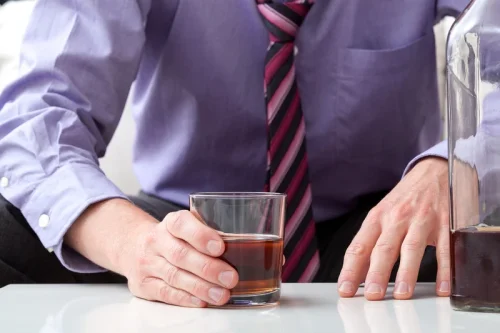
Swap a pint of 4.5% ABV beer for an equivalent 0% or 0.5% beer and you’ll be saving yourself up to 145 calories from alcohol alone. That’s about the same amount of calories as what you get in six teaspoons of sugar. It’s also a handy way to give yourself a break from alcohol on a night out without resorting to water or another soft drink.
What Happens to Your Body When You Drink Alcohol Regularly
- Premature skin aging will subside, and if you have dandruff or eczema, they too may disappear.
- Over time, drinking can also damage your frontal lobe, the part of the brain responsible for executive functions, like abstract reasoning, decision making, social behavior, and performance.
- Your local grocery store may not carry any – and if they do, your options will be limited.
- Over 4.8 million people and 425,564 fatalities were assessed in 107 observational studies across age and ethnicity.
- After more analysis of the research, that doesn’t seem to be the case.
A drink also may help raise a man’s testosterone levels, which makes both men and women friskier. But men who drink too much can lose the desire and the ability to have sex. It not only affects your physical health by altering your body chemistry, but it also affects your mental health and the way you perceive the world around you.
Heart health
It also reduces the white blood cells in your body, making it more difficult to fight off disease. In a month’s time, though, your immune system will have the ability to recover. But by the age of 50 or 60, a lot of people will have gone through a period of heavy drinking in their youth and then they meet various obstacles and cut right down.
Heart and Circulatory System
Ordering a glass of wine with your meal can work in your favor during cold and flu season. A study published in Vaccine suggests that drinking wine with dinner a few times a week can help enhance the effects of vaccines. Researchers gave 12 monkeys smallpox vaccines, then gave them access to either 4 percent ethanol or sugar water with the same amount of calories (the control group). They tracked the monkeys’ alcohol consumption for 14 months, vaccinating them again after the first seven months. Although the monkeys all responded to the first vaccine similarly, the moderate drinkers of the test group saw increased vaccine response than both the non-drinkers and heavy drinkers after the second.
Recent studies on alcohol and health
Beer does alcohol have benefits has a similar number of calories as sugary soft drinks, ounce for ounce, whereas red wine has twice as much (28, 29, 30). Conversely, drinking moderately has been linked to a reduced risk of dementia — especially in older adults (16, 17, 18). Because your brain is very sensitive to damage, chronic alcohol abuse may increase your risk of dementia and cause brain shrinkage in middle-aged and older adults (12, 13, 14, 15).
Cancer
However, the same analysis states that excessive drinking — 38 grams or more per day — may increase the risk of developing dementia. A 2017 meta-analysis found an association between moderate alcohol consumption — 12.5 grams or less per day — and a reduced risk of dementia. To minimize the potential health risks of alcohol, the National Institutes of Health recommends either abstaining from alcohol entirely or drinking in moderation. When you overindulge in alcohol, your liver, which is responsible for breaking down toxins like alcohol, can become overworked, explains Andrews. This may lead to fat buildup, inflammation and, eventually, scarring of liver tissue. “Over time, this repeated damage can result in cirrhosis, where the liver becomes so scarred that it loses functionality,” she explains.

No comment yet, add your voice below!